


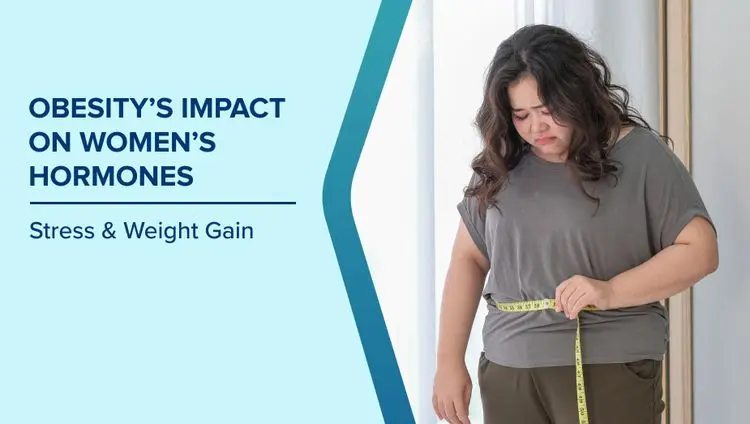
Obesity and Hormonal Disorders in Women: Understanding, Managing, and Improving Health
Obesity in women has evolved beyond being a lifestyle issue. It is now recognised as a significant medical condition closely linked to hormonal imbalance and multiple long-term health risks. Rapid urbanisation, unhealthy diets, sedentary lifestyles, chronic stress, and disrupted sleep cycles have created a complex interplay between excess weight and hormonal dysfunction, affecting physical, reproductive, and emotional health.
Understanding the Hormone–Obesity Link
Hormones act as chemical messengers regulating metabolism, appetite, menstrual cycles, fertility, and mood. Excess body fat, particularly abdominal fat, disrupts the balance of key hormones such as insulin, estrogen, cortisol, and thyroid hormones.
Fat tissue is hormonally active. In overweight and obese women, it produces excess estrogen, which can:
- Disturb ovulation
- Lead to irregular menstrual cycles
- Increase the risk of PCOS, endometriosis, and infertility
PCOS, Insulin Resistance, and Weight Gain
Polycystic Ovary Syndrome (PCOS) is one of the most common hormonal disorders in women of reproductive age and has a strong link to obesity. Symptoms include:
- Irregular or absent periods
- Acne and oily skin
- Excess facial/body hair
- Difficulty conceiving
Insulin resistance worsens hormonal imbalance, creating a cycle where weight gain and PCOS reinforce each other, making management more challenging.
Thyroid Disorders and Slowed Metabolism
Hypothyroidism is another prevalent hormonal disorder characterised by:
- Slowed metabolism
- Unexplained weight gain
- Fatigue and hair fall
- Menstrual irregularities
Obesity itself can further impair thyroid hormone regulation, making early diagnosis and treatment essential.
Stress Hormones and Emotional Health
Chronic stress elevates cortisol levels, promoting fat accumulation, especially around the abdomen. High cortisol can:
- Increase cravings for sugar and calorie-dense foods
- Contribute to emotional eating
- Disrupt sleep patterns and mood stability
- Disturb overall hormonal balance
Impact on Fertility and Pregnancy Outcomes
Hormonal imbalance linked to obesity can reduce fertility and increase pregnancy-related risks such as:
- Gestational diabetes
- Pregnancy-induced hypertension
- Pre-eclampsia
- Miscarriage
Achieving a healthy weight before conception improves fertility outcomes and maternal-fetal health.
Obesity and Increased Cancer Risk
Research shows a strong connection between obesity, hormones, and certain cancers:
- Excess estrogen increases the risk of endometrial cancer
- Obesity is a risk factor for post-menopausal breast cancer
Addressing obesity is crucial for hormonal health and cancer prevention.
Managing Obesity and Restoring Hormonal Balance
Even 5–10% weight loss can significantly improve:
- Hormonal balance
- Insulin sensitivity
- Menstrual regularity
Comprehensive management includes:
- Balanced, nutrient-rich diet
- Regular physical activity
- Stress reduction (yoga, meditation, mindfulness)
- Adequate sleep
- Medical supervision with personalised treatment
Early intervention can prevent long-term complications and improve overall health and fertility.
Conclusion
Obesity and hormonal disorders in women should be treated as interconnected medical conditions, not just cosmetic concerns. Awareness, early intervention, lifestyle changes, and timely medical care can:
- Restore hormonal balance
- Reduce cancer risk
- Improve fertility
- Enhance quality of life
FAQs – Obesity & Hormonal Disorders in Women
[details How does obesity affect hormones in women? Obesity, especially abdominal fat, produces excess estrogen and disrupts insulin, cortisol, and thyroid hormone balance, affecting fertility, metabolism, and menstrual cycles.]
[details What is the link between obesity and PCOS? Obesity worsens insulin resistance, which aggravates PCOS symptoms like irregular periods, acne, excessive hair growth, and infertility.]
[details Can weight loss improve hormonal balance? Yes. Losing even 5–10% of body weight can improve insulin sensitivity, regulate periods, enhance fertility, and reduce hormone-related risks.]
[details How does obesity affect fertility and pregnancy? Hormonal imbalances due to obesity can reduce fertility and increase risks such as gestational diabetes, hypertension, pre-eclampsia, and miscarriage.]
[details Does obesity increase cancer risk in women? Yes. Excess estrogen from fat tissue raises the risk of endometrial and post-menopausal breast cancer. Weight management is a preventive measure.]
[details How can women manage obesity-related hormonal issues? Through a combination of balanced diet, regular exercise, stress management, adequate sleep, and medical guidance. Early evaluation and personalised treatment are key.]
Visit Genesiss Multi-Speciality Hospital – Advanced Women’s & Hormonal Health Care Centre in BTM Layout, Bangalore
Consult Dr. Divya J G – Expert Obstetrician & Gynaecologist, Maternity & IVF Specialist, Laparoscopic Surgeon
Are you facing PCOS, thyroid disorders, menstrual irregularities, obesity-related infertility, or hormonal imbalance? Get personalised, safe, and advanced care at Genesiss Multi-Speciality Hospital under the guidance of Dr. Divya J G.
✅ Comprehensive hormonal evaluation ✅ Personalised diet, exercise, and medical treatment plans ✅ Fertility-preserving solutions ✅ Advanced reproductive and metabolic health care ✅ Safe, ethical, and effective treatment
📍 Hospital Address: Genesiss Multi-Speciality Hospital, 100 Feet Road, BTM Layout, Near Jayadeva Metro Station, Bangalore – 560068
📞 Appointments & Enquiries: +91-9886777592
🌐 Websites: www.genesisshospital.com, www.drdivyagynecologist.com, www.drrajuuro.com
Dr. Divya J G Dr. Divya J G is an exceptional and highly skilled Obstetrician & Gynaecologist, recognised for her expertise in maternity care, pregnancy scans, and advanced gynaecological and laparoscopic surgeries. She completed her MBBS at Mysore Medical College and Research Institute (MMCRI) and earned her MS in Obstetrics and Gynaecology from Bangalore Medical College. With over 13 years of clinical experience, Dr. Divya J G is known for her meticulous attention to detail and patient-centred approach. She carefully understands each woman’s unique health needs and delivers personalised, evidence-based care to ensure safe pregnancies, effective treatments, and optimal outcomes.
Dr. Divya J G has extensive experience in managing a wide range of obstetric and gynaecological cases, including comprehensive maternity care, gynaecological surgeries, infertility evaluation, and IVF-related treatments. Beyond her clinical expertise, she is known for building strong trust and confidence among her patients through compassionate, patient-centred care and clear communication. From fertility counselling and conception planning to pregnancy, delivery, and post-treatment recovery, Dr. Divya J G ensures that every woman feels well-informed, supported, and at ease throughout her medical journey. Her commitment to ethical practice and evidence-based treatment consistently contributes to positive patient experiences and successful outcomes.